
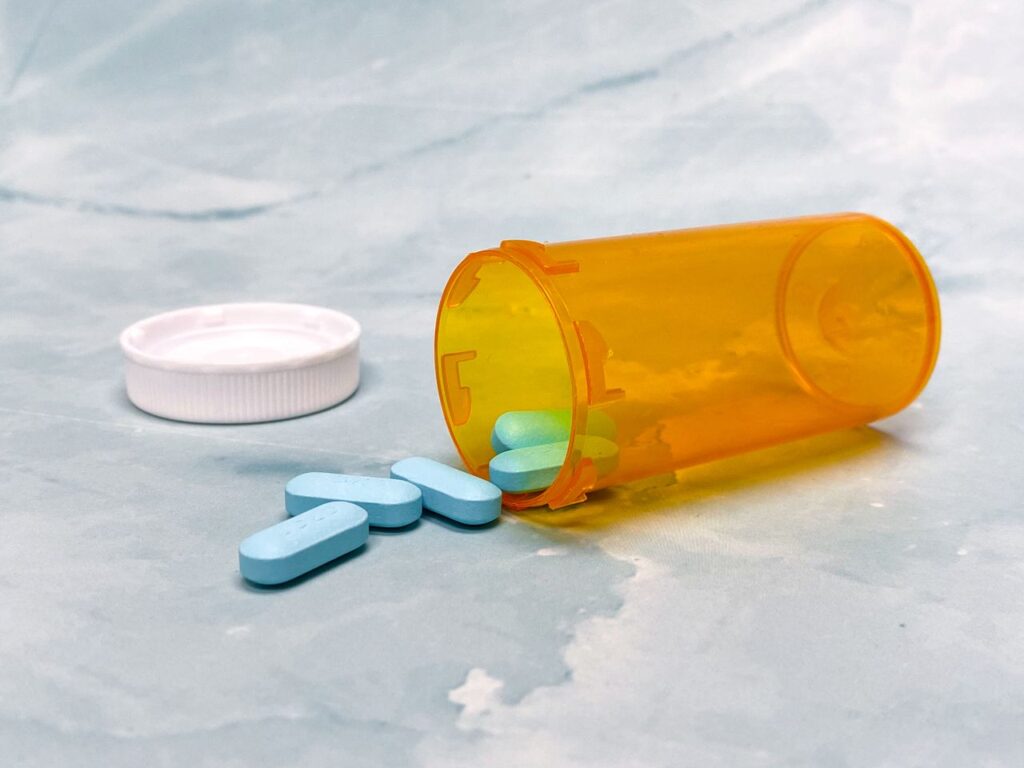
The U.S. government’s Section 232 pharmaceutical tariffs hit 17 major manufacturers on July 31, 2026. The rest of the industry faces its deadline on September 29, 2026. If your business imports patented drugs, active pharmaceutical ingredients (APIs), or key starting materials, here’s everything you need to know — and what to do right now.
Section 232 of the Trade Expansion Act of 1962 allows the President to impose tariffs when imports are determined to threaten U.S. national security. The same authority was previously used for steel and aluminum tariffs.
On April 2, 2026, a presidential proclamation applied Section 232 to patented pharmaceuticals and pharmaceutical ingredients — citing dangerous over-reliance on foreign manufacturers, particularly for APIs sourced from China and India, as a direct national security vulnerability.
The rate you pay depends on your company’s status, country of origin, and any onshoring or trade agreements in place.
| Scenario | Duty Rate |
|---|---|
| Default — all covered importers | 100% ad valorem |
| Commerce-approved onshoring plan | 20% (rises to 100% on April 2, 2030) |
| EU, Japan, South Korea, Switzerland / Liechtenstein | Capped at 15% |
| United Kingdom | Starting at 10% (potential duty-free via trade deal) |
| MFN drug pricing agreement (Annex II companies) | Exempt |
| U.S.-origin goods | Not subject to tariff |
Note: Section 232 duties do not stack on top of standard Column 1 HTSUS rates. You pay whichever rate is higher — not both. The lowest rate under the proclamation applies if multiple rates qualify.
Pfizer, Johnson & Johnson, Merck, Eli Lilly, AbbVie, Amgen, AstraZeneca, Novartis, Sanofi, and 8 other major manufacturers. If you source from these companies, tariffs are already being collected.
All remaining importers of covered products. If you’re not on the Annex III list, this is your hard cutoff. Non-compliant entries after this date face CBP penalties, delays, and seizure risk.
Organic chemicals — APIs and key starting materials. This is where upstream supply chain exposure is greatest, especially for APIs manufactured in China or India.
Pharmaceutical products — finished dosage forms, including tablets, injectables, biologics, and other patented preparations imported as finished goods.
More than 130 HTSUS subheadings are listed in Annex I of the April 2, 2026 presidential proclamation. Accurate HTS classification is critical — a misclassified entry means overpaying or triggering a penalty.
Not everything is covered. The following product categories are generally excluded from Section 232 pharmaceutical tariffs:
Generic drugs, biosimilars, and their ingredients are excluded at this time — not subject to the 100% duty.
Products meeting specific HHS criteria for rare disease treatments may qualify for exemption with formal determination.
Nuclear medicines, plasma-derived therapies, cell and gene therapies, antibody-drug conjugates (ADCs), and medical countermeasures.
Companies with executed Most Favored Nation (MFN) drug pricing agreements (Annex II), plus bilateral country caps for EU, UK, Japan, and others.
Companies that commit to moving pharmaceutical manufacturing to the U.S. can qualify for a 20% reduced duty — vs. the default 100%. Application procedures were published in May 2026.
Prepare and submit a detailed domestic manufacturing plan to the Secretary of Commerce for review and approval.
Commerce reviews the plan and, if approved, issues a formal determination. This triggers the 20% reduced rate from the effective date.
Sign the binding onshoring agreement. The 20% rate applies until April 2, 2030, when it reverts to 100% — by which point U.S. production should be online.
The industry has already committed over $400–500 billion in U.S. manufacturing investment triggered by this policy. The window to apply is open now.
Pull every pharmaceutical line in your import history and cross-reference against Annex I of the April 2, 2026 presidential proclamation. More than 130 HTS subheadings are covered. Misclassification is your #1 risk — it means either overpaying duty or triggering a CBP penalty.
Are you an Annex III company? Does your country of origin qualify for a preferential cap (EU: 15%, UK: 10%)? Do you have an executed MFN deal? Each scenario changes your duty calculation significantly. Don’t assume the default 100% — you may qualify for far less.
Generics, biosimilars, and the specialty categories (orphan drugs, plasma therapies, cell/gene therapies, ADCs) may be fully excluded. Don’t pay 100% on a product that qualifies for zero duty. HHS exemption requests require formal submissions — file early.
If you manufacture abroad and sell into the U.S. market, the 20% reduced rate is worth modeling against the cost of shifting production. With $400B+ in commitments already made, this is a legitimate strategic pathway. Commerce applications are open now.
These entries require special handling, documentation, and duty reporting. If your team isn’t current on the Section 232 pharmaceutical rules, entries filed after September 29 without correct classification create real CBP exposure — including penalties, delays, and potential seizure.
Manufacturers who import APIs to produce finished goods that are subsequently exported from the U.S. may be eligible to recover up to 99% of Section 232 duties paid. Duty drawback remains available on these tariffs — and is one of the most commonly overlooked savings mechanisms in pharmaceutical logistics. Review eligibility with your customs broker before September 29.
At FreightClear, we specialize in customs compliance and freight management for pharmaceutical and life sciences importers. Our team can:
The September 29 deadline is approaching fast.
Disclaimer: This article is for general informational purposes only and does not constitute legal or customs advice. Importers should consult a licensed customs broker and qualified trade counsel for guidance specific to their products and circumstances.